
Chimney Inspection in Hastings Ranch: What Is Wrong and What Got In
Book a Cap and Nest Visit
Tell us what you are hearing or finding and add a photo if you can. We call back with a time and what we will check.
The Short Version
An inspection tells you what shape the chimney is in and whether anything has been getting into it. We check the crown, cap and screen, the flue walls, the damper, the smoke chamber and the firebox, and we write down droppings, nest debris or chewed mesh next to the cracks and mortar loss. A Level 1 is $52. If the flue needs a camera, we tell you why before we run one.
The Clues We Look For Besides Cracks
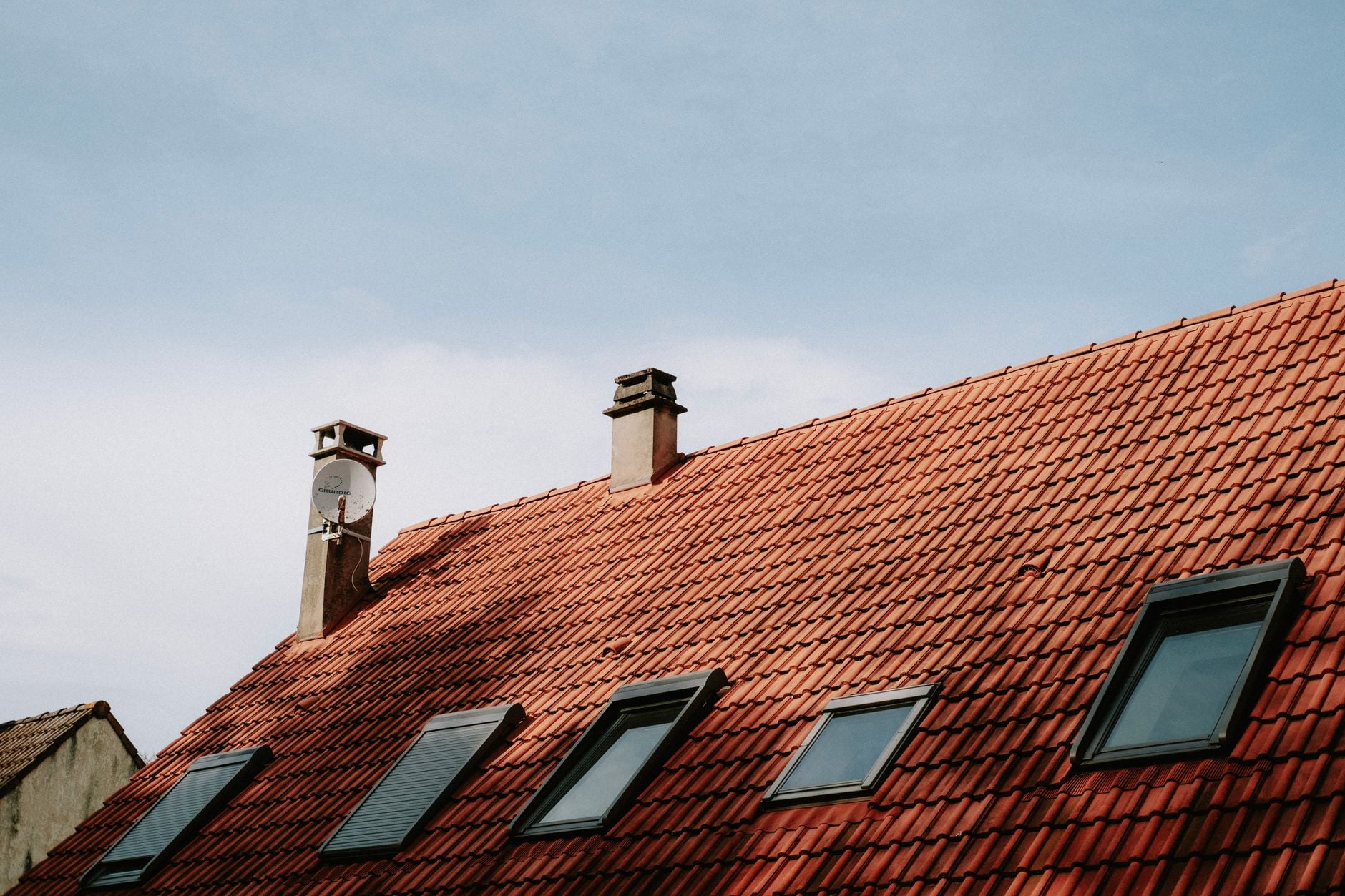
A good inspection is half masonry and half detective work. The masonry part is what you would expect: we check the crown for cracks, the mortar for open joints, the flue tiles for splits and gaps, the damper for rust and fit, and the firebox brick for loose or eroded joints. The detective part is reading what has been happening up there. Droppings on the smoke shelf, a scatter of feathers, a chewed corner of the screen, scratch marks in the soot, a bent cap edge, a strong ammonia smell. Each of these points to a particular animal and a particular way in. In Hastings Ranch, with so many big trees and open flues on older houses, we find at least one of those signs on a good share of the chimneys we inspect.
We write those down right beside the structural findings, because they are connected. A raccoon that has been going up and down a flue for a season has usually loosened the cap or the crown edge on its way in. Birds that nest every spring tell you the screen is missing or the mesh is too coarse. A wet, musty smell means water is getting into the same gap the animals are using. When you read our report, you will see the photos in order from the roof down, with plain notes on what each one means and whether it needs work now, soon, or not at all. Anything that needs work comes with a written price. Nothing gets done on the same visit unless you ask for it.
Which Level You Need, and What Each One Costs
NFPA 211 sets out three levels. The basic one is eyes and a flashlight: firebox, damper, whatever of the flue shows from below, and the outside of the stack seen from up on the roof. It is $52 here, and it is right for a chimney you use every winter where nothing about the setup has changed. The camera version records every foot of flue on video and adds a trip into the attic to check the brick where it rises through the framing. It runs $370. A Level 3 means opening up part of the structure, like a wall or the crown, and we only suggest it when the camera shows a problem it cannot fully see.
The camera is called for when a house is sold, after a chimney fire, after an earthquake strong enough to crack plaster, and when you change the appliance, for example adding an insert or switching to gas. We also recommend it when debris keeps falling from somewhere we cannot see from below, because a wedged nest or a dropped flue tile can sit high in an offset where no flashlight reaches. If a Level 1 turns up something that needs the camera, we tell you why and what it will cost before we run it. Most of the time, a Level 1 is all you need. The point is to know which situation you are in.
How Crosby Chimney Care Works
Roof First
Cap, crown and flashing looked at before anything else
Same-Day Service
Openings most weeks for animals and leaks
Scope on Paper
Set visits, or the work written up before it starts
Photos Sent
Pictures of the finished work, every time
Chimney Inspection town by town
Each town page below covers what we tend to find on roofs there and which nearby streets share the same crew.
CA
Chimney Inspection in Pasadena
Hastings Ranch, our home base, sits in the northeast corner of Pasadena, and this page covers it along with the older blocks toward the Arroyo Seco. Oaks and sycamores shed onto crowns all autumn, and an older bungalow flue left open without a cap is an easy door for a squirrel, a bird or a raccoon. A Pasadena call often starts with scratching behind the mantel or twigs on the grate.
View local serviceCA
Chimney Inspection in Altadena
Altadena runs right up to the San Gabriel foothills, and raccoons, squirrels, birds and bats come down looking for a dry, quiet flue. The January 2025 Eaton Fire destroyed or damaged many homes here, and chimneys on houses that stayed standing can still hold ash and fallen debris inside.
View local serviceCA
Chimney Inspection in San Marino
A San Marino house may carry two or three chimneys, and the flue over the room nobody uses is the one birds and squirrels pick. Big trees on wide lots drop leaves onto every crown and into the gap behind each stack.
View local serviceCA
Chimney Inspection in Alhambra
Alhambra keeps many older bungalows with short brick chimneys close to the roof, so roof rats and pigeons reach the top with little effort. A chimney that has gone several winters without a fire is the kind animals move into.
View local serviceCA
Chimney Inspection in La Canada Flintridge
La Canada Flintridge sits against the Angeles National Forest, with oaks overhead and brush on the slopes. Raccoons, squirrels and birds pass through the yards, and an open flue on a quiet house makes a ready den.
View local serviceCA
Chimney Inspection in Montrose
Montrose lies in the Crescenta Valley below the San Gabriels, with the Verdugos across the way, so wildlife drifts in from two directions. Squirrels and birds take over uncapped flues, and street trees stuff crowns with leaves each fall.
View local serviceOther Jobs We Do
Chimney Sweep
Brushwork, nest pulling and a close look at the cap, so a flue that gets swept also gets checked for whatever moved in.
Learn More →Chimney Repair
Splits, gaps and loose tiles that let rain and small animals in, repaired once we know where the trouble really starts.
Learn More →Fireplace Inspection
Firebox, damper and smoke chamber gone over from the room side, including the droppings and debris that say something visits.
Learn More →Fireplace Repair
Sticky dampers, crumbling firebrick and smoke rolling into the room, fixed after we know which of them is the real problem.
Learn More →Chimney Level 2 Inspection
Camera-on review of the whole flue, for a sale, after shaking, after a flue fire, or when debris keeps falling from somewhere unseen.
Learn More →Chimney Cap Installation
Snug stainless caps with a mesh screen, sized to the flue tile so birds, raccoons, squirrels and leaves stay outside.
Learn More →Chimney Flashing Repair
Drips, ceiling stains and rusted metal where the chimney meets the roof, sealed with new flashing tied into brick and shingles.
Learn More →Chimney Masonry Repair
Crumbling joints and loose bricks give rats and wasps a way in; we repoint, swap bad brick and seal the stack.
Learn More →Chimney Rebuilds
Leaning, loose or quake-cracked stacks taken down to sound brick and built back with a sealed crown and a screened cap.
Learn More →Fireplace Cleaning
Ash, soot, old nest bits and glass haze cleared from firebox, doors and hearth, on wood, gas and electric fireplaces.
Learn More →Gas Fireplace Cleaning
Cobwebs, dust and lint pulled from burners, pilot hoods and vents, with glass and logs cleaned so the flame looks right again.
Learn More →Gas Fireplace Repair
Clicking with no flame, a pilot that will not hold, or a remote that does nothing: each part is tested before one is replaced.
Learn More →Fireplace Remodel
Refaced surrounds, new mantels and gas conversions, planned after we have checked the firebox and flue behind them.
Learn More →Fireplace Inserts
Steel boxes that slide into an old firebox and vent through a new liner, turning a drafty opening into a real heater.
Learn More →Pellet Stove Repair
Jammed feed, no glow, a rattling fan: pellet stove faults found one part at a time, with the exhaust vent cleared of fine ash.
Learn More →Wood Stove Repair
Leaky door seals, warped baffles and cracked firebrick replaced so the stove burns clean and the pipe above stays clear.
Learn More →Gas Logs
Lifelike log sets for a fireplace you rarely light, with the gas line, valve and burner sized to the firebox and the room.
Learn More →