First, Close the Damper
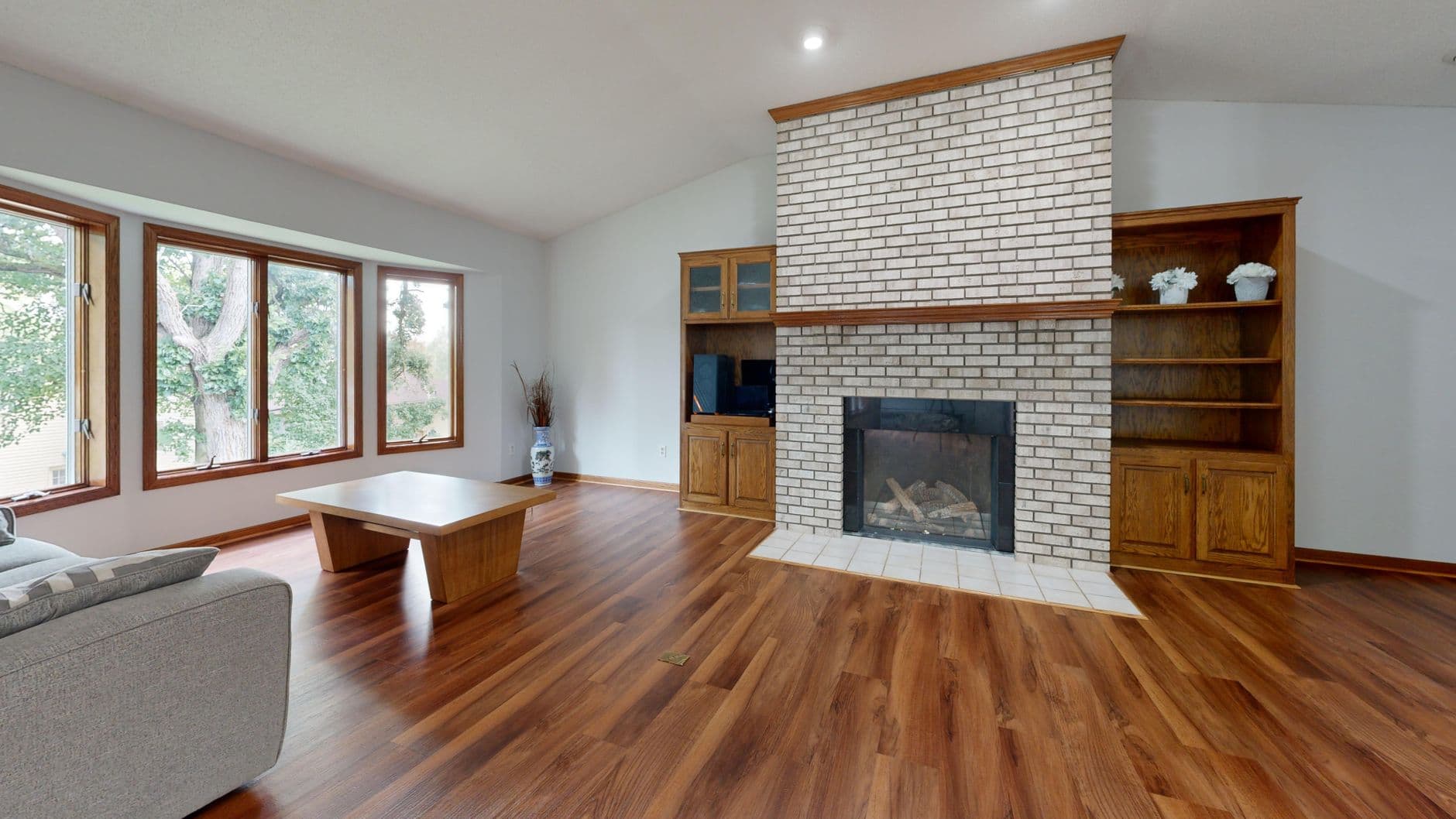
If you hear something inside the chimney, go to the fireplace and make sure the damper is shut. That metal plate is the only thing between the flue and your living room. A frightened squirrel or bird that drops onto the smoke shelf will look for light, and an open damper leads it straight into the house.
Then keep pets out of the room, close the fireplace doors or screen, and leave things alone for now.
Do Not Light a Fire
This is the most common mistake we hear about, and it is the one that does the most harm. A fire does not drive an animal up and out. It traps the animal against the heat, fills the flue with smoke, and in spring it can kill young that cannot climb. Worse, nest material is dry twigs, leaves and fur. It catches quickly, and a flue fire is a far bigger problem than a raccoon.
Do not pour anything down the flue, and do not set a trap on the hearth either.
Who Is Up There?
You can usually tell from the sound and the time of day:
- - Chirping that rises and falls during the day, loudest when the parents come back, is almost always birds
- Fast scratching and scurrying in daylight points to squirrels
- Heavy thumps and chattering at night tend to be a raccoon, often a mother with kits
- Light scratching at night, plus droppings on the hearth, is often roof rats
- Fluttering at dusk can be bats
In Pasadena and the foothill towns, raccoons and squirrels are the two we meet most. Bats are less common in our chimneys, though they do turn up, and they need a specialist.
Why Waiting a Few Days Often Works
Many animals use a chimney as a nursery, not a permanent home. Birds leave once the chicks fledge. A raccoon mother usually moves her kits within a few weeks. If nothing is coming into the house and there is no smell yet, waiting is often the gentlest and cheapest way out.
Waiting is also the law in some cases. Many native birds are protected by the federal Migratory Bird Treaty Act, so an active nest with eggs or chicks has to stay until it is empty.
When Waiting Is Not an Option
Some situations need help sooner:
- - The animal is stuck and calling out, or has gone quiet after days of noise
- Something has already come down into the house
- There is a strong smell, which can mean an animal died in the flue
- You need to use the fireplace or heater soon
We do not trap animals ourselves. If an animal is alive and needs removal, a licensed wildlife trapper handles that part. Once the flue is empty, our crew takes over.
What We Do Once It Is Empty
The cleanup is where most of the work sits. On a typical visit we:
- - Pull nest material, droppings and debris from the flue and smoke shelf, and bag it out rather than dropping it into the room
- Brush and vacuum the flue
- Check the damper, which animals often bend or jam
- Look over the flue tile and crown for cracks or gaps
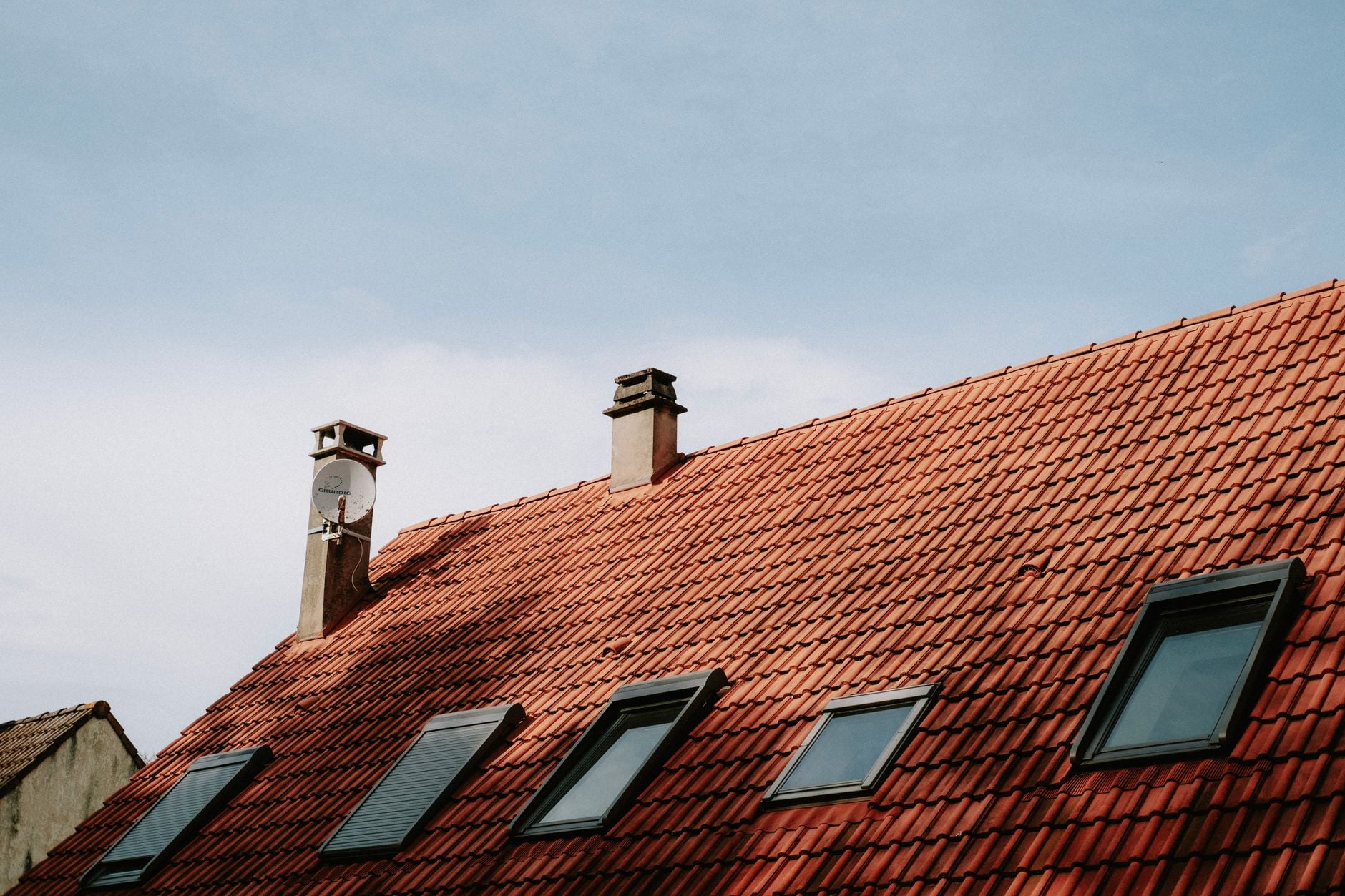
- Fit a stainless cap with mesh, screwed down so it cannot be lifted
A sweep starts from $210, and a cap is $160 to $630 installed, depending on the flue and crown. Heavy nest loads or a damaged damper can add time, and we tell you before we do anything extra. Our form is a quick way to get on the list if you would rather not call.
The Cap Is the Real Fix
Clearing a flue without capping it is a short-term answer. The next spring, another bird or another squirrel finds the same open tile. In our experience, nearly every chimney with an animal problem is missing a cap or has one that has rusted, blown loose or was the wrong size from the start.
A Word on Smells
A sour or musty smell after an animal leaves usually comes from droppings and old nest material soaking up moisture. It fades once the flue is cleaned. A sharp, rotten smell that grows stronger is different. It often means something died up there, and it is worth calling about the same week.
Checking the Rest of the Roof
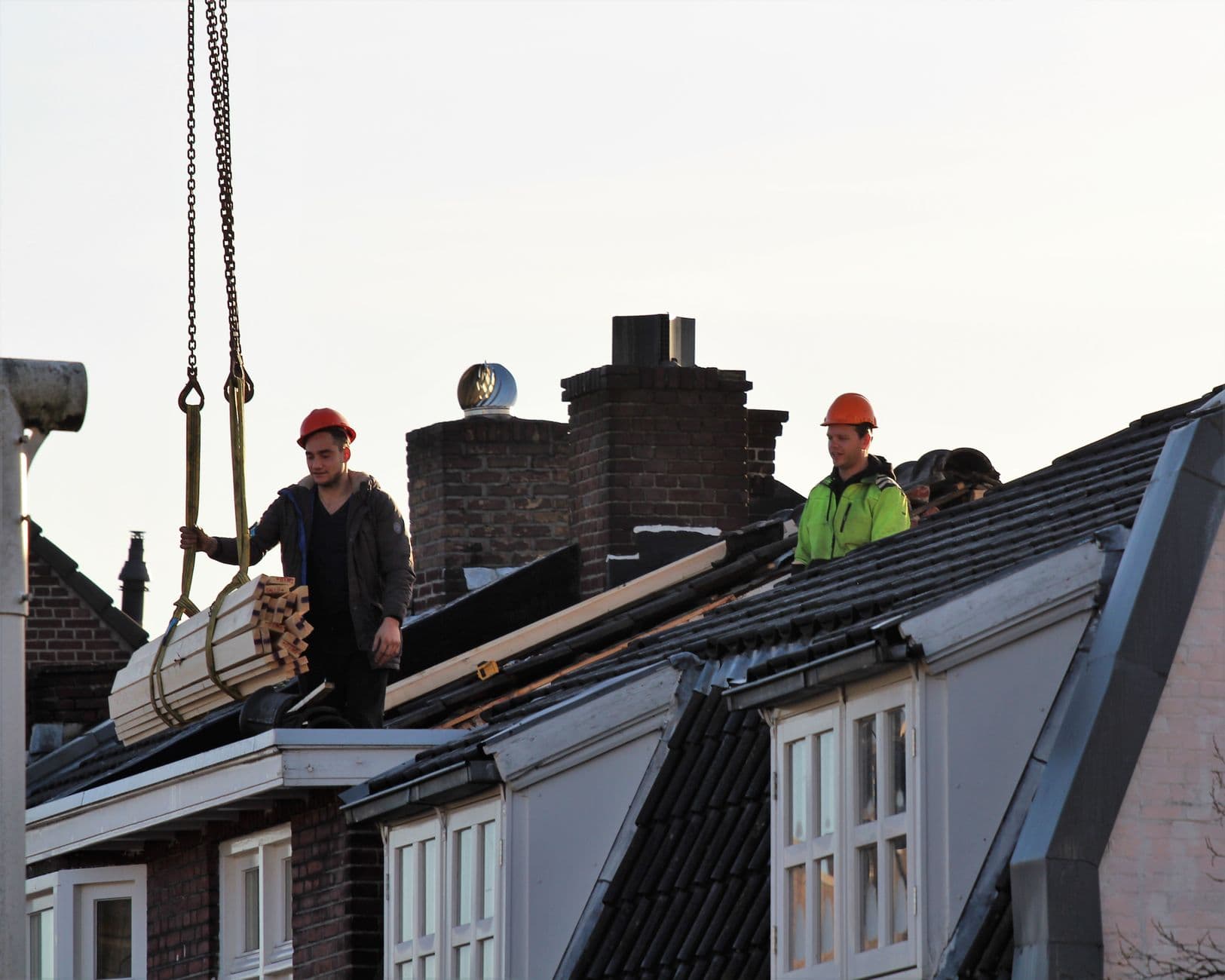
Animals that find a chimney often find other ways in as well. While we are up top, we glance at the roof vents, the gaps under eaves and the spot where the chimney meets the roof. A raccoon that has worked a flashing seam loose, or a squirrel chewing at a vent screen, leaves signs that are easy to spot from the roof and hard to see from the yard.
We do not do general pest work, so if we see an opening that is not part of the chimney, we photograph it and tell you. Your roofer or a wildlife company can close it, and you will know exactly where to point them.
Gas Fireplaces Get Visitors Too
A gas fireplace does not make the flue safe from animals. Many gas log sets vent through an old masonry flue, and that flue is just as open at the top as a wood-burning one. Birds nest on top of the logs, and squirrels drop into the firebox. If you have a gas fireplace, turn the gas off at the valve until the flue is checked, since nest material near a pilot light is a real fire risk.
When to Call
If there is noise in the flue right now, ring us and describe what you hear. We can usually tell you over the phone whether to wait, whether to bring in a trapper, or whether the flue is already clear and ready for a clean and a cap.
Still Hearing Something Up There?
Crosby Chimney Care works from Hastings Ranch on nests, caps, sweeps and roofline leaks. Call and tell us what the noise sounds like, or send a photo of the hearth.