The Short Answer
An installed chimney cap from our crew costs $160 to $630. That figure covers the cap, the fasteners, the trip up the ladder and a look at the crown while we are there. Nothing else gets added unless you ask for it.
The spread is wide because chimneys are not alike. Two houses on the same Pasadena street can need very different tops, and a bungalow with a single round clay tile costs far less to cover than a 1920s Spanish house with three flues sharing one wide crown.
What a Cap Actually Does
Most people think of a cap as a rain hat. It is that, but on our route it earns its keep in other ways too:
- - Mesh sides stop birds, squirrels, rats and raccoons from climbing in
- The same mesh catches embers before they land on a roof or in dry brush
- The lid keeps leaves and rain off the smoke shelf and damper
- A solid top slows down the wind that pushes smoke back into the room
That second point matters more every year. Homes near the foothills, from Altadena to Sierra Madre, sit close to brush that burns. A spark arrestor screen is cheap insurance, and every cap we fit has one.
What Puts a Job Near $160
The low end is one stock stainless cap slipped over a single clay tile with enough of the tile showing above the masonry to grip. We measure, slide it over the tile, tighten the screws against the clay and check that it does not rock. On a single-story house with easy roof access, that is a short visit.
What Pushes It Toward $630
Prices climb when one of these is true:
- - The crown carries two or three flues, so a single tile cap will not work and a wide top that covers the whole crown is needed
- The flue tile is an odd size or is cracked, so a stock cap will not grip it
- The roof is steep, tall or tiled, which slows the climb and needs more care
- The crown itself is broken, so the cap has to be anchored with masonry screws into sound brick
A multi-flue top is the usual reason for a high quote in older neighborhoods. Those caps are built to the measured size of the crown, then bolted down at the corners.
Why We Do Not Use Galvanized Caps
Galvanized steel is cheaper and looks fine for a year or two. Then the coating wears through, rust streaks the crown, and the mesh starts to fail at the bottom edge. That gap is just wide enough for a sparrow. Stainless costs a little more, holds up for decades in our dry climate, and does not stain the masonry. We fit stainless only.
The Trouble With Online Caps
A cap ordered online is often the right shape but the wrong fit. The usual problems we find on a callback:
- - It was set on the tile with no screws, so wind lifted it off
- The mesh openings are too wide to stop a small bird
- It was sized to the outside of the chimney rather than to the flue tile
- It blocks the draft because the lid sits too low
None of those mistakes is obvious from the ground. A raccoon will find them in a week.
Is a Cap Worth It on a Fireplace You Never Use?
Yes, and arguably more so. A flue that never gets a fire is quiet, dry and dark. Birds nest there, squirrels raise litters there, and nobody notices until something starts to smell. If your fireplace is purely decorative, a cap and a closed damper keep it that way.
What You Get on the Visit
Every cap job includes a look at the crown, the flue tile and the metal where the chimney meets the roof. If something up there needs more than the cap, we take photos and send a written price before any more work happens. Most of the time, the cap is the whole job.
If you want a number for your own house, send us the form with a phone photo of the top of the chimney. That photo alone usually tells us whether you are near the low end or the high end.
How Long a Good Cap Lasts
A stainless cap that is the right size and screwed down tight should outlast the roof under it. The parts that fail first are almost never the steel. They are the screws, which can loosen over years of heating and cooling, and the mesh at the bottom edge, which gets bent when someone leans a ladder against it or a branch drops on it.
That is why we look at the cap on every sweep, even when the visit is about something else. A screw that has backed out a quarter turn is a two-minute fix on the roof. Left alone, the next Santa Ana wind can lift the whole top off and drop it in the gutter.
Caps on Gas Fireplaces and Inserts
Gas appliances vent through their own pipe or liner, and that pipe usually comes with a factory top. Those tops are designed for the appliance and should not be swapped for a masonry cap. What we often find instead is an old clay tile beside the gas vent, left open from the days before the insert went in. That open tile is where the birds go. Covering it, or covering the whole crown with a top that leaves the gas vent clear, closes the gap without touching the appliance.
Before You Book
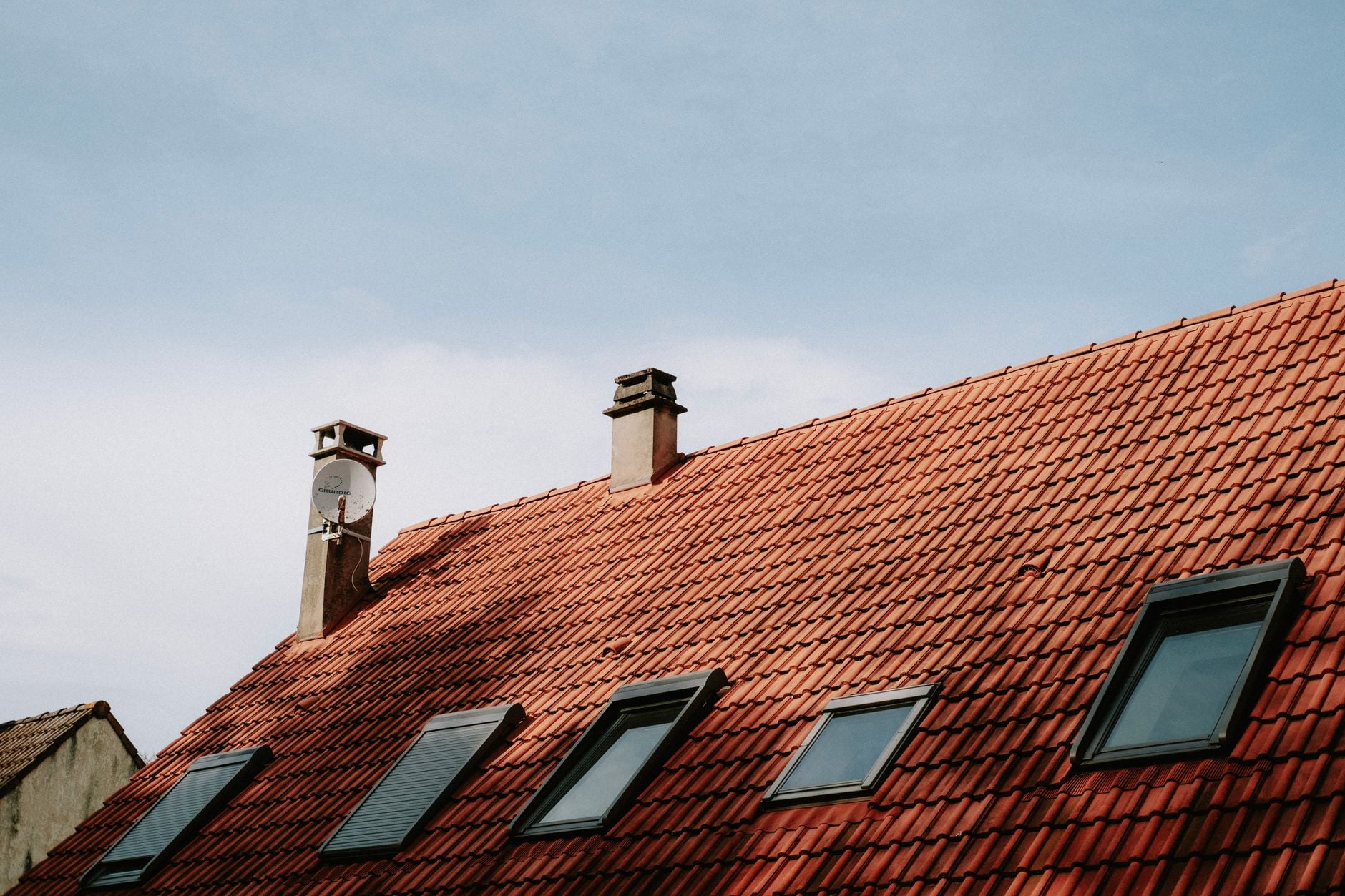
Two quick checks help. First, look at the chimney from the street and count the round or square tiles sticking out of the top. Second, see whether there is anything on them now, even a rusty old screen. Tell us both when you call, and we will bring the right cap on the first trip, ready to fasten down.
Still Hearing Something Up There?
Crosby Chimney Care works from Hastings Ranch on nests, caps, sweeps and roofline leaks. Call and tell us what the noise sounds like, or send a photo of the hearth.