What a General Inspector Misses
A home inspector covers the whole house in a few hours. When it comes to the fireplace, that usually means a flashlight in the firebox and a look at the chimney from the ground or a ladder. Most of the flue sits out of view, and the inspector will say so in the report, often with a line recommending a chimney specialist.
That line is your cue. A camera inspection is how you see the rest.
What the Camera Shows
We feed a small camera on a flexible rod up the full length of the flue and record the video. On the screen we look for:
- - Cracked, shifted or missing flue tiles
- Gaps in the mortar between tiles, where heat and smoke can reach wood framing
- Thick or glazed creosote that needs special cleaning
- Nest material, debris or a blockage partway up
- Water damage, rust or a failing damper
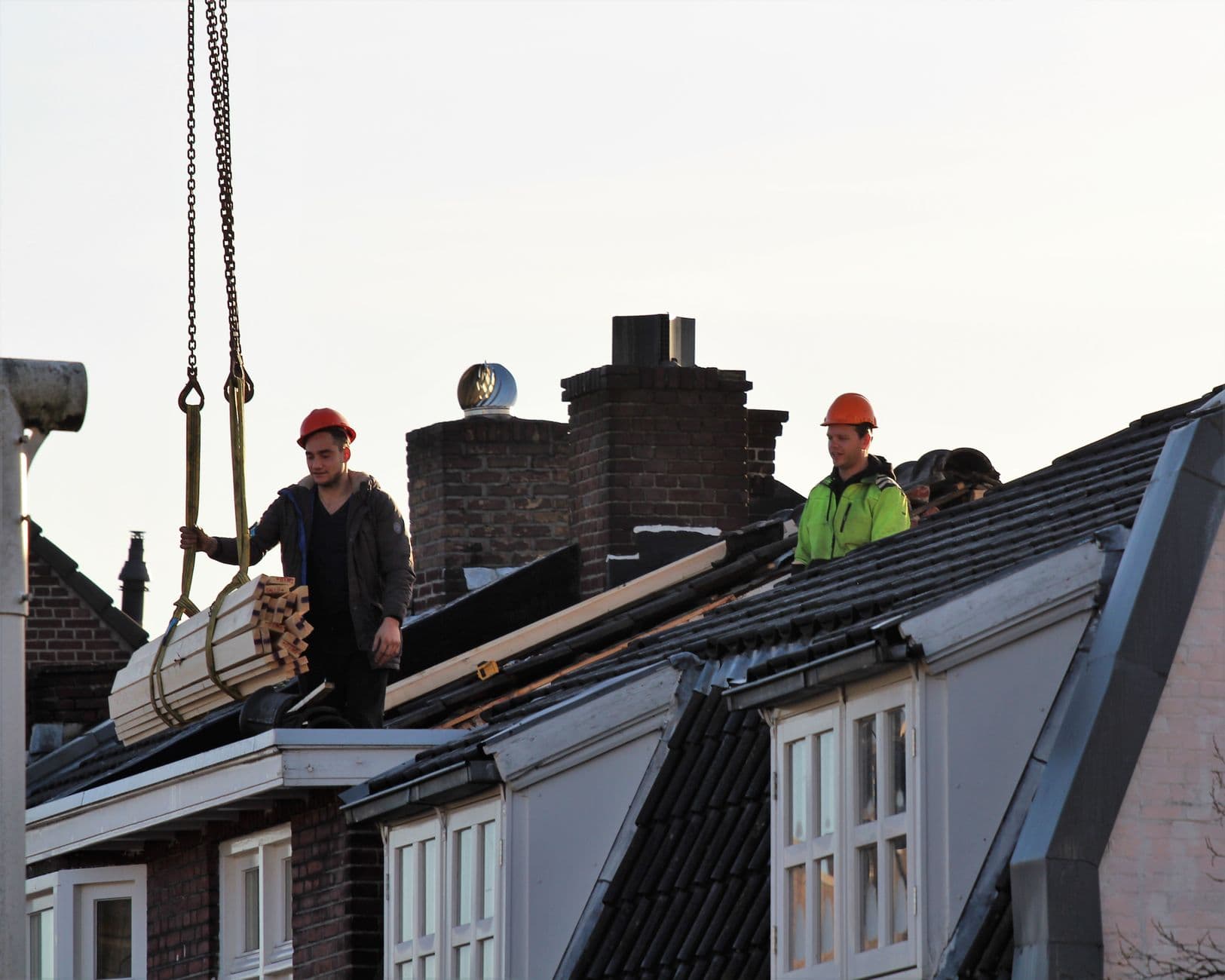
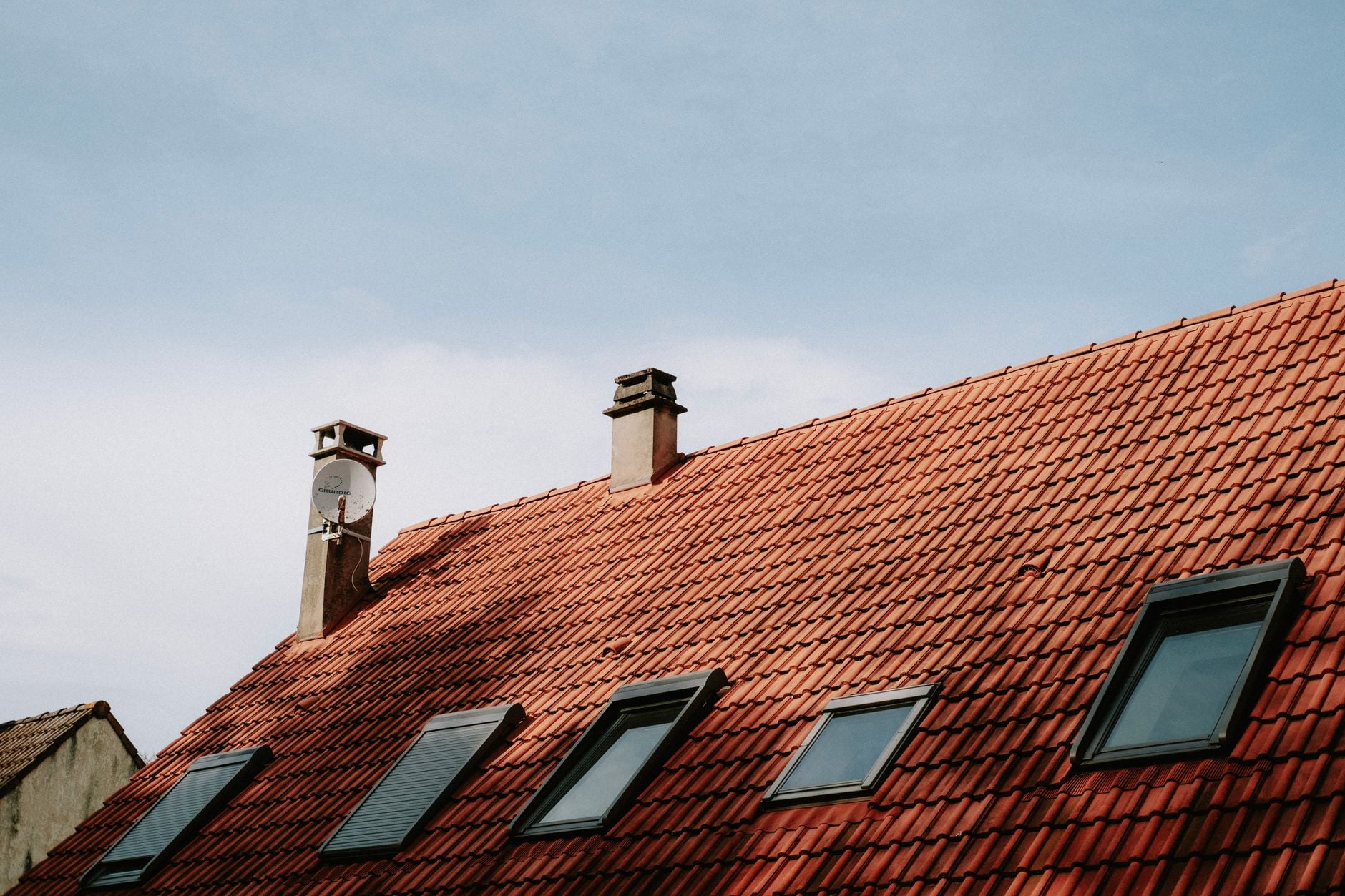
From the roof, we check the cap, crown and the metal at the roofline. From the attic, where we can get in, we look at how close framing sits to the chimney.
What It Costs
A camera inspection runs $370. Our basic inspection, at $52, is a good yearly check for a house you already own, but for a purchase the camera version is the one to get.
The national chimney standard, NFPA 211, calls for this level of inspection when a property changes hands, after a flue fire, and after an event such as an earthquake that could have damaged the structure.
Why It Matters in This Area
Many homes in the San Gabriel Valley have brick chimneys built long before modern seismic rules. Some were damaged in the 1971 Sylmar quake and repaired, some were not. A tile can crack from shaking, from age, or from one hot chimney fire decades ago, and none of that is visible from the hearth.
Foothill homes add another factor. After a wildfire season, buyers sometimes want to know whether nearby heat or ash affected the crown and cap. The camera and roof check together answer that with pictures.
Timing It Inside Escrow
Contingency periods move quickly. A few tips:
- - Book as soon as your offer is accepted, not at the end of the window
- Tell us the contingency deadline when you call so we can plan around it
- Ask the seller or agent to confirm roof and attic access for the visit
- If the fireplace has a gas log set, make sure the gas can be shut off
The written report, with photos and stills from the video, usually arrives within a day or two. The form is the quickest way to start, since it lets you give us the address and the deadline in one go.
Reading the Report
Findings fall into three rough groups:
- - Safe to use as is, perhaps with a sweep before the first fire
- Small repairs, such as a cap, a damper or a crown seal, that can be priced and handled quickly
- Larger repairs, such as a damaged flue that needs a new liner, which are quoted in writing
That middle group is the most common result. It is also the easiest to negotiate, because the repair and the cost are clearly stated.
Using It in Negotiation
A clear report gives you options. You can ask the seller to make the repair before closing, ask for a credit, or simply go in with your eyes open. Agents on both sides tend to prefer a report with photos and a written price over a vague note from a general inspection.
For Sellers
The same inspection works in reverse. Getting it done before listing lets you fix small items on your own schedule and hand buyers a recent, dated report. That removes one of the more common late surprises in escrow.
What the Camera Cannot Tell You
A camera inspection is thorough, but it has limits. It cannot see behind finished walls, and it cannot judge a gas appliance's internal parts. If the house has a gas insert, the camera shows the vent and the flue but not the burner, so the appliance itself may need its own service visit. We note those limits in the report so nobody reads more into it than it shows.
Weather matters too. If rain is forecast on inspection day, we may need to move the roof portion. A wet, steep roof is not safe to walk, and photos taken in the rain are hard to read. We will tell you the day before if that is likely.
Older Houses, Newer Questions
Craftsman bungalows and 1920s Spanish houses make up a big share of the homes we inspect in escrow. Many of them have had fireplaces converted to gas, flues partly relined, or chimneys shortened after damage. Each change leaves a trace on camera, and the report will note anything that looks unusual so your agent can ask the seller about it.
Booking
Give us a call with the address, the deadline and the name of whoever can let us in. We will fit the visit into the window and send the report as soon as it is written.
Still Hearing Something Up There?
Crosby Chimney Care works from Hastings Ranch on nests, caps, sweeps and roofline leaks. Call and tell us what the noise sounds like, or send a photo of the hearth.