Why Birds Like Chimneys
A chimney looks to a bird like a hollow tree: tall, narrow, dark and safe from hawks and cats. An uncapped flue on a quiet house is close to ideal. Sticks wedge into the corners of the smoke shelf, the walls give shade, and a closed damper below makes a solid floor.
Around Pasadena, the season usually starts in March or April and runs into summer. The first sign is often twigs on the grate, then chirping that gets loud whenever the parents return with food.
Which Birds Do We Find?
In our part of the San Gabriel Valley, the usual nesters are:
- - Pigeons, mostly on short brick chimneys in the flatter neighborhoods
- Sparrows and finches, which can get through surprisingly small gaps in old mesh
- Starlings, which pack in large nests that block a flue fast
- Swifts, in some older and wider chimneys, which cling to the inner walls rather than building on the shelf
Swifts are worth knowing about. They are protected, they spend summers here, and they leave on their own in fall.
What the Law Says
Many native birds are covered by the federal Migratory Bird Treaty Act. In plain terms, an active nest with eggs or chicks should not be disturbed or removed. Once the birds have fledged and the nest is empty, it can come out. Pigeons, house sparrows and starlings are not native and are treated differently, but we still prefer to let a nest finish when it can.
If you are not sure what is up there, a short video of the noise and a photo of the top of the chimney help us tell.
Living With It for a Few Weeks
It is not much fun, but the wait is short. Most chicks leave the nest within a few weeks of hatching. In the meantime:
- - Keep the damper shut so nothing drops into the room
- Do not light a fire or run a gas log set
- Keep pets away from the fireplace
- Leave the top of the chimney alone
When the chirping stops and a few quiet days pass, the nest is usually empty.
Why the Nest Has to Come Out
An old nest is not harmless. Dry twigs and grass sit right where the heat and sparks go, so the first fire of winter can light it. Nests also block the draft, which can push smoke or carbon monoxide back into the room. Droppings and mites add a smell that gets worse when the air is damp.
What the Cleanout Covers
Once the flue is empty, the job is a sweep plus a little extra:
- - Nest material and droppings come off the smoke shelf and out of the flue, bagged as we go
- The flue gets brushed and vacuumed
- The damper is opened, closed and checked for bent edges
- The top of the chimney is checked for a cap and for cracks in the crown
Sweeps start from $210, and a cap fitted to the flue runs $160 to $630. Most bird jobs are both on one visit. You can send the form with a photo if you want the price before we come.
Keeping Them Out Next Spring
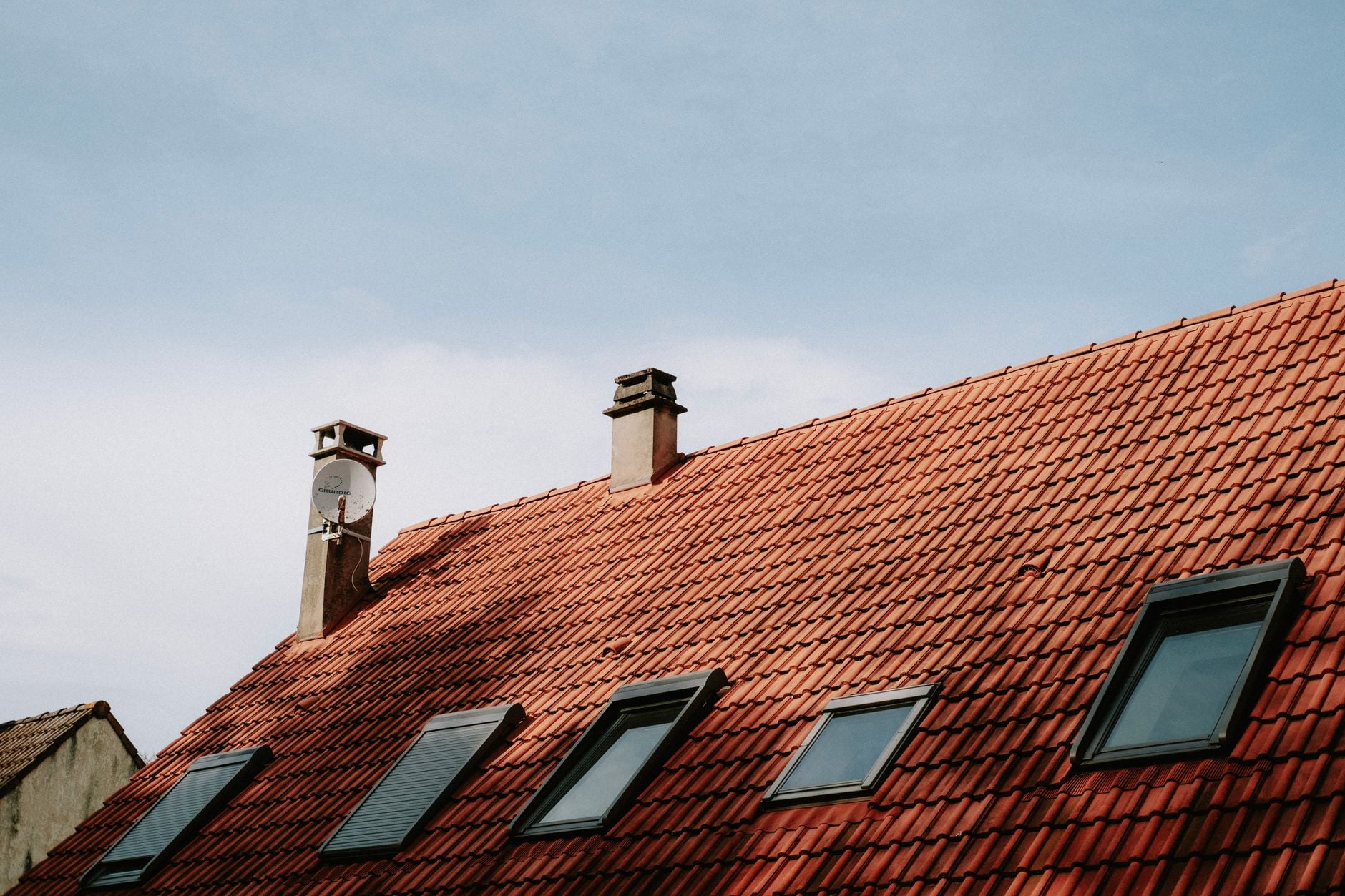
A stainless cap with mesh small enough to stop a sparrow is the only fix that lasts. Screens bent by hand, chicken wire and plastic covers all fail within a season or two, and some of them trap birds rather than keeping them out.
We screw each cap to the tile or crown so wind and raccoons cannot pry it loose, and we check that the mesh sits flat against the crown with no gap at the bottom. That small gap is where most repeat nests start.
A Note for Homes With More Than One Chimney
Larger houses in San Marino and parts of Pasadena often have two or three chimneys. Birds almost always choose the one that is never used, because it stays quiet. If you have a flue serving a room you rarely heat, cap it along with the others.
What Happens to the Damper
Birds that fall onto a closed damper sometimes get stuck between it and the smoke shelf. Their parents keep feeding them there, which is why the chirping can sound like it is coming from right above the mantel. Once the nest is out, we open and close the damper several times to make sure twigs are not jamming it, and we check the seal. A damper that does not close fully lets warm air out all winter and lets the next bird all the way into the firebox.
If a Bird Gets Into the Room
It happens now and then. Shut the room off from the rest of the house, darken it, and leave one window or patio door wide open to the daylight. Most birds fly toward the light within a few minutes. Do not try to catch it with your hands, and keep cats in another room. Once it is out, shut the damper and give us a call so we can see how it got through.
Getting It Done
Once the noise has stopped, give us a ring and tell us roughly when it started and when it ended. We will check the flue is clear, clean out what was left behind, and close the top so next spring stays quiet.
Still Hearing Something Up There?
Crosby Chimney Care works from Hastings Ranch on nests, caps, sweeps and roofline leaks. Call and tell us what the noise sounds like, or send a photo of the hearth.